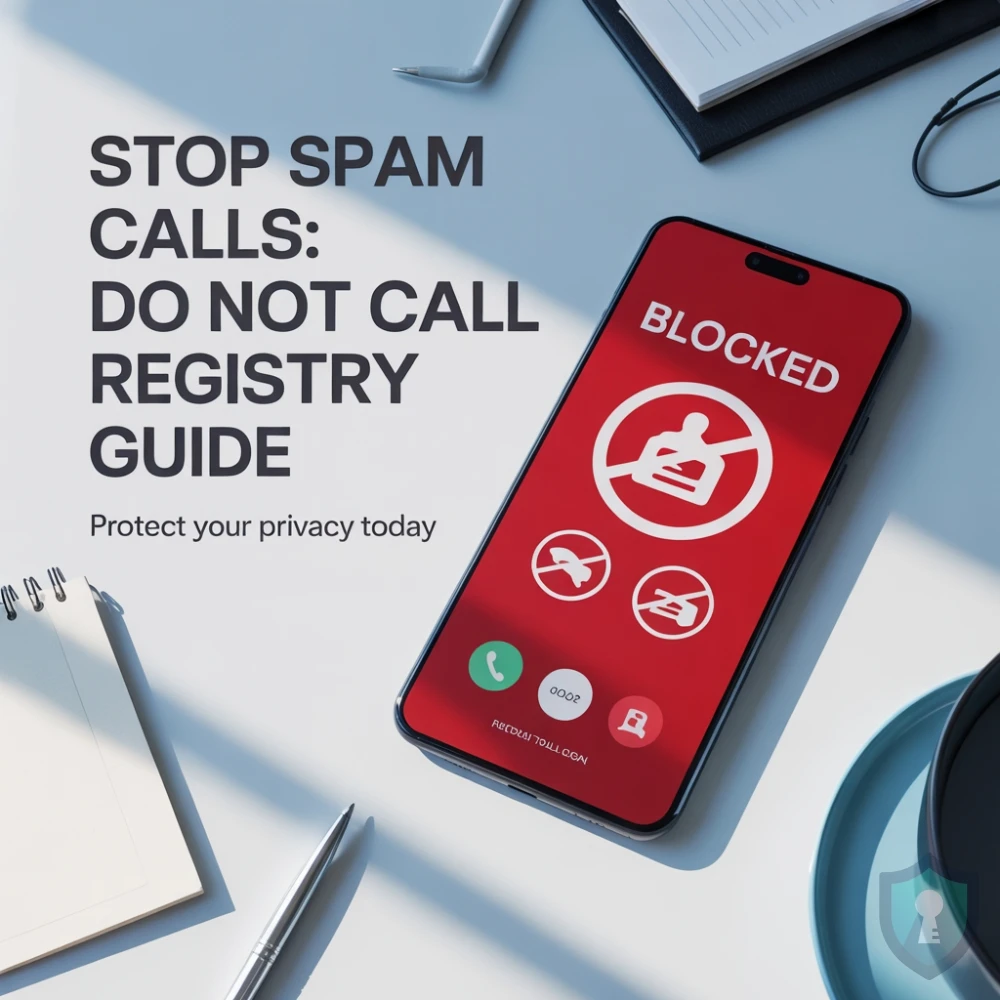
It happens every day. You are sitting down for dinner or in the middle of a meeting, and your phone buzzes. It’s an unknown number from your local area code.
You answer, expecting an important call, only to hear a robotic voice babbling about your car’s extended warranty or a “final notice” from the IRS.
Spam calls are more than just an annoyance; they are a primary vector for fraud. Scammers use them to steal identities and drain bank accounts.
The first line of defense in the United States is the National Do Not Call (DNC) Registry. It is a free, official government service designed to stop legitimate telemarketers from calling your personal numbers.
In this guide, we will show you how to register in under two minutes, explain exactly which calls it stops, and-crucially-why your phone might keep ringing even after you sign up.
What is the Do Not Call Registry?
The National Do Not Call Registry is managed by the Federal Trade Commission (FTC), the nation’s consumer protection agency.
When you add your number to this list, it becomes illegal for most legitimate companies to make sales calls to you. It covers both mobile phones and landlines. It does not cover business phone numbers.
Think of it as a “No Trespassing” sign for your phone. Honest businesses will see the sign and stay away.
Step-by-Step: How to Register (It Takes 2 Minutes)
Registration is free and permanent. You do not need to renew it.
- Go to the Official Website Navigate directly to donotcall.gov. This is the only official site.
- Click “Register Your Phone” You can register up to three phone numbers at once.
- Enter Your Details Enter the phone numbers you want to protect and your email address.
- The Critical Final Step: Email Verification Do not skip this. The FTC will send a verification email to the address you provided. You must open that email and click the confirmation link within 72 hours, or your registration will be cancelled.
The Reality Check: Why You Still Get Spam Calls
Many people register and then get angry when their phone rings a week later. It is vital to understand what the Registry can and cannot do.
What it STOPS:
It stops legitimate, law-abiding businesses trying to sell you things. If a real window replacement company calls a number on the Registry, they face massive fines from the FTC.
What it DOES NOT stop:
It does not stop criminals.
Scammers running “extended warranty” or “Social Security fraud” rings already know they are breaking the law. They do not care about the Do Not Call list. In fact, they often use automated dialers to call every number in a specific area code randomly.
If you continue to receive these illegal scam calls, you should file a formal complaint with the FTC.
Besides scammers, the Registry also allows calls from:
- Political organizations.
- Charities.
- Telephone surveyors.
- Companies you already have a business relationship with (e.g., your bank or cell provider).
Layers of Defense: Beyond the Registry
Since the Registry won’t stop outright scammers, you need additional layers of protection.
- Carrier Tools (The Best Free Option) Most major carriers now offer free spam-blocking services that are surprisingly effective at flagging “Scam Likely” calls.
● AT&T: ActiveArmor
● T-Mobile: Scam Shield
● Verizon: Call Filter
Thanks to recent pressure from the FCC to combat illegal spoofing, most major carriers now offer free spam-blocking services.. - Third-Party Apps (For Heavy Duty Blocking) If you are drowning in calls, you may need paid apps like Robokiller or Truecaller. These maintain massive databases of known scam numbers and block them before your phone even rings.
The Bottom Line
Registering for the Do Not Call list is essential digital hygiene. It takes two minutes and clears out the “legitimate” clutter so you know that almost any unexpected sales call you receive is likely a scam.
Your Mission: Go to donotcall.gov right now and register your mobile number.