
It starts with a simple “wrong number” text scam or a match on a dating app. The person is attractive, successful, and polite.
They don’t ask for money. In fact, they seem wealthy. They drive luxury cars, eat at high-end restaurants, and travel the world.
You talk for weeks. You build a friendship, maybe even a romance.
Then, casually, they mention how they make their money: Crypto Trading.
“I have an uncle who is a financial analyst,” they say. “He gives me inside tips. I can show you how it works if you want. We can build our future together.”
Stop.
You are not talking to a wealthy entrepreneur. You are being targeted by a sophisticated organized crime ring. The “trading platform” they are about to show you is fake, and any money you send there will vanish forever.
The CFTC warns investors that these schemes often begin with seemingly innocent conversations on social media or dating apps. The “trading platform” they are about to show you is fake, and any money you send there will vanish forever.
In this guide, we will break down the brutally effective “Pig Butchering” scam and show you how to spot the trap before you invest a dime.
Phase 1: The “Fattening” (Building Trust)
Unlike the “Nigerian Prince” emails of the past, these scammers are patient. They will talk to you for months without asking for a penny.
- The Persona: They usually pose as attractive Asian entrepreneurs. (You should check their profile photos using our Reverse Image Search Guide to see who they really are). This long-game approach is a hallmark of the scam.
The US Secret Service has issued a specific alert on ‘Pig Butchering,’ noting that victims are often groomed for weeks before ever being asked for money.
- The Grooming: They send you “Good morning” texts, photos of their lunch, and voice notes. They want to become a daily habit in your life.
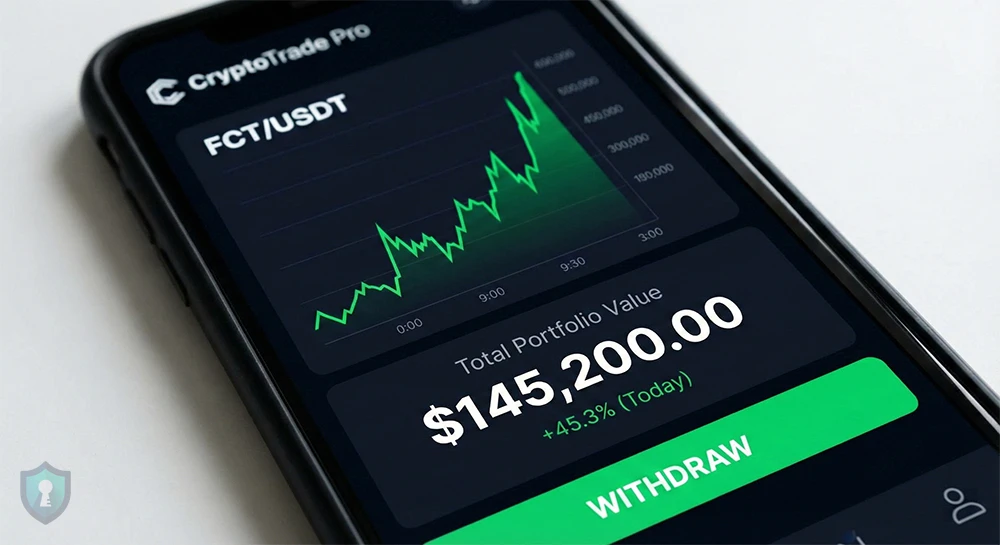
- The Pivot: Eventually, they share a screenshot of their “profits.” They claim to have made $10,000 in one day trading Bitcoin or Tether (USDT).
According to the FBI’s Internet Crime Complaint Center, thousands of victims lose millions of dollars to these ‘confidence frauds’ every year.
Phase 2: The Trap (The Fake Platform)
They will tell you to download a legitimate app like Coinbase or Crypto.com. This makes you feel safe.
But then, they give you the twist: “You can’t trade on Coinbase; the fees are too high. You need to use this special trading platform.”
They send you a link to a website that looks professional. It has charts, graphs, and live customer support.
The Reality: The website is a fake simulation controlled entirely by the scammer.
- The Test: They ask you to invest a small amount (e.g., $500).
- The Win: They rig the website to show you made a $100 profit. They even let you withdraw that money back to your bank account.
- The Hook: Now you are convinced it is real. You deposit $10,000. Then $50,000. The screen shows your account growing to $200,000.
You feel like a genius. You are getting “fattened up.”
Phase 3: The Slaughter (The Withdrawal)
Eventually, you decide to withdraw your massive profits.
Suddenly, the “Customer Support” chat tells you there is a problem. “To withdraw your funds, you must pay a 20% tax fee upfront due to new regulations.”
This is the final trap.
- If you pay the $40,000 “tax,” they will ask for a “security deposit.”
- If you pay the deposit, they will ask for a “transfer fee.”
They will keep inventing fees until you run out of money. Then, the website goes offline, and your “friend” blocks you.
🚩 Red Flags: How to Spot It Instantly
- The “Uncle” or “Teacher”: They always claim to have a mentor or relative who guides their trades.
- WhatsApp / Telegram: They try to move you off the dating app to an encrypted app immediately. (Before you switch, run their username through a free background search).
- Web3 Browsers: They ask you to use the “Browser” inside a crypto wallet (like MetaMask or Trust Wallet) to visit a specific URL.
- Guaranteed Returns: No legitimate investment guarantees 10-20% profit per week.
What To Do If You Are Involved
- Stop Sending Money: Do not pay the “tax.” You will never get your money back, no matter what they promise.
- Preserve Evidence: Save every text, screenshot, and transaction hash (TXID).
- Report to Law Enforcement: File a report with the FBI (IC3) or your local cybercrime unit immediately.
- Watch Out for Recovery Scammers: If you post about losing money online, strangers will DM you claiming they can “hack” the scammers to get your money back. These are also scammers. For legitimate support and resources, consult the Global Anti-Scam Organization, a non-profit dedicated to helping victims of this specific crime.
The Bottom Line
If a romantic interest or new friend ever tries to teach you how to invest in crypto, block them immediately. Real rich people do not share their financial secrets with strangers on the internet.