“The Dark Web.”
The media paints it as a terrifying place filled with hitmen and drugs. While those things exist, the Dark Web is also home to the New York Times Secure Drop, the CIA, and millions of people fighting censorship.
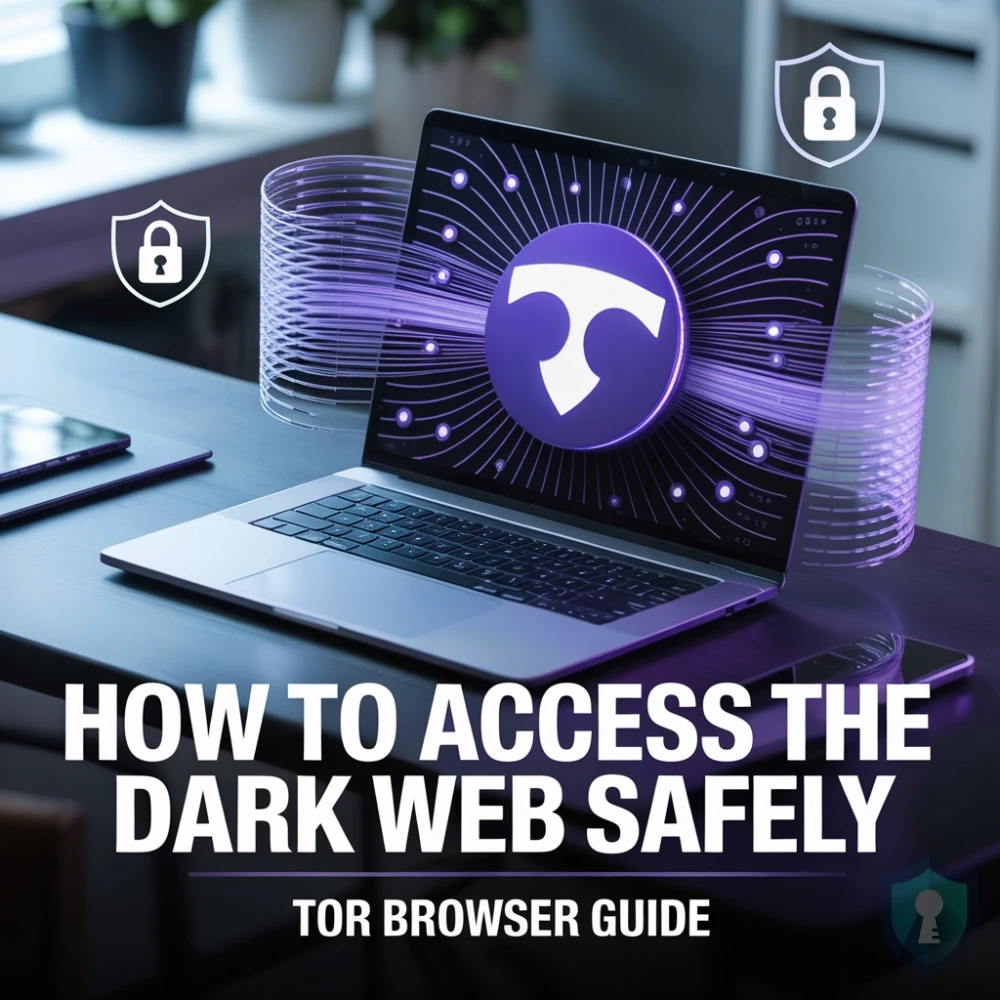
To access it, you don’t need to be a hacker. You just need a special browser called Tor.
Here is how to set it up, browse anonymously, and-most importantly-stay safe.
Step 1: Download Tor (The Only Safe Way)
The Tor Browser (The Onion Router) is a modified version of Firefox that bounces your connection through three random servers around the world. This hides your IP address.
How to get it:
- Go to the official site: TorProject.org.
- Download the Tor Browser for your OS.
- WARNING: Never download Tor from third-party sites. Fake versions contain malware.
How it works: When you open Tor and click “Connect,” you are entering the Tor Network. Your traffic is now encrypted and anonymous.
Step 2: Navigate to “.Onion” Sites
The “Dark Web” uses addresses that end in .onion instead of .com. You cannot type these into Chrome or Safari; they won’t work.
Where to start: Tor doesn’t have Google. You need a directory.
- Ahmia.fi: This is a “Safe” search engine for the Dark Web. It filters out child abuse material and focuses on legitimate content.
Tor Link:http://juhanurmihxlp77nkq76byazcldy2hlmovfu2epvl5ankdibsot4csyd.onion/(Copy this into Tor). - The Hidden Wiki: A famous directory of links. Be careful here-some links are safe, some are scams.
Step 3: The Golden Rules of Safety
Browsing the Dark Web is legal. Buying illegal items is not. To stay safe, follow these strict rules:
- Don’t Resize the Window: Keep the Tor browser window at its default size. Maximizing it can reveal your screen resolution, which can help fingerprint your device.
- Cover Your Webcam: Paranoia is good practice here. Tape it over.
- No Logins: Never log into your personal email, Facebook, or bank while using Tor. You are anonymous; don’t de-anonymize yourself.
- Look, Don’t Touch: Do not download files (PDFs, Videos, EXEs). They can contain scripts that reveal your real IP address.
Why Use It? (Legitimate Use Cases)
Why would a normal person go here?
- Check Data Leaks: Hackers post stolen databases on the Dark Web. Investigators go there to see if their company’s data has been compromised.
- Bypass Censorship: In countries like China or Iran, Tor is the only way to access free news (BBC and Facebook have .onion sites).
- Whistleblowing: Sending tips to journalists anonymously.
Summary: The Tor Protocol
| Goal | Action |
|---|---|
| Download | Only use TorProject.org. |
| Search | Use Ahmia.fi for safe searching. |
| Safety | Never maximize the window or download files. |
The Bottom Line
The Dark Web is not a monster; it is a tool. It offers privacy in an age of surveillance.
If you treat it with respect and follow the safety protocols, it is a fascinating place to explore. If you click random links and download files, you are asking for trouble.
Next Step: Now that you have Tor installed and are browsing safely, you will quickly notice that normal search engines like Google do not work here. To actually find hidden websites and navigate the network, you will need to use specialized Dark Web search engines designed specifically for .onion links.